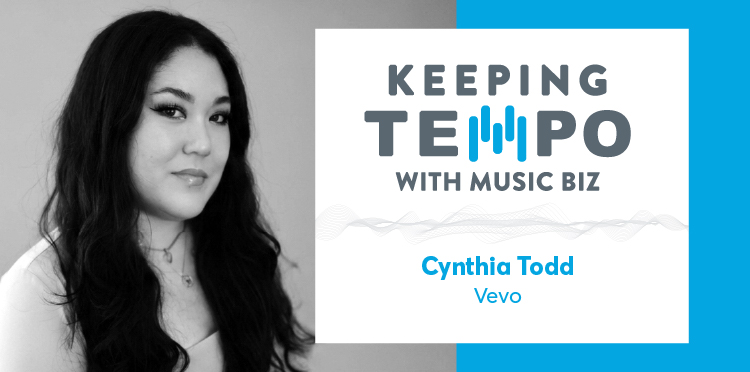
[Keeping Tempo With Music Biz] — Building Genuine Artist-Fan Connection Through Video: Interview with Vevo’s Cynthia Todd
Fan engagement in the 2020s has become a double-edged sword: while the spread-out nature of digital platforms means it’s harder to reach fans than ever, it also creates more opportunities to directly connect with fans in meaningful ways. In this conversation with Cynthia Todd, Director of Talent Booking at Vevo, we discuss the opportunities and challenges of creating genuine relationships between artists & fans, how artists can evolve their sound & brand while still appealing to both new and old fans, the ways artists are leveraging video in all formats to stay engaged with their fanbase, and much more!
Music Biz: Reaching music fans — both new and long-term alike — is harder than ever in today’s very fragmented, platform-driven music & social media landscape. If you were to meet an artist for the first time, what advice would you offer them about the best ways to make lasting connections with their fanbase?
Cynthia Todd: At Vevo, we often encourage artists to think about consistency first, keeping their social channels and YouTube presence active with regular, purposeful uploads. That steady cadence helps fans feel connected and keeps them engaged between releases.
When it comes to building lasting connections, it really comes down to keeping fans front of mind in the decisions you make. That might mean touring markets where there’s clear demand, offering something more intimate like an acoustic version of a track, or simply showing up and interacting on social platforms. Fans can tell when they’re being considered, and those moments of accessibility and authenticity go a long way.
Music Biz: A strong artist brand from the outset can be make or break when connecting with new fans. Have there been any artists who’ve stood out to you as ones who “got it right” out of the gate? And what could others take away from their example?
CT: There’s definitely something to be said for artists who understand their identity from day one, and so much of that comes down to authenticity. More often than not, the strongest brands aren’t manufactured; they’re just artists being themselves, and over time that naturally becomes their “brand.”
While visual style and aesthetics play a large role, I’m always drawn to artists whose branding is rooted in the music itself. I’m a huge BTS fan, and a big part of why they’ve resonated with me (and so many others) is their consistent advocacy for mental health through their music. The fact that they’ve sustained that conversation over the years has helped build deep listener loyalty, while continuing to bring new fans into the fold.
The takeaway for other artists is to start by being clear on: what matters to them, what they want to talk about, what values they want their music to reflect, and what stories they want to tell. When that foundation is in place early, it becomes much easier to connect with fans and establish a meaningful, lasting narrative from the jump.
Music Biz: Sometimes an artist will “rebrand” themselves, as a way to either explore a new side of their sound or broaden their appeal to new audiences. What are the risks and rewards for a rebrand strategy, and have you seen success stories that folks can learn from?
CT: What’s exciting about music right now is how fluid genres have become. With so much genre-blending (and truly genreless) music being released, “rebranding” feels far less daunting than it did 10 or 15 years ago. There’s more space for artists to evolve without it feeling like a sharp turn.
Miley Cyrus is one of the first names that come to mind for stepping outside of established expectations. She’s faced a lot of scrutiny, but has always stood firmly behind her redirection and used that shift to connect more deeply with who she was creatively. Looking back, those moments are now seen as pivotal chapters in her career.
The biggest perceived risk with a rebrand is losing fans, and that’s always a possibility with any creative move. But when a rebrand is rooted in authenticity, that honesty tends to outweigh the risk. Fans may not follow every change immediately, but they respond to artists who are clearly evolving for the right reasons.
Music Biz: Once an artist starts to grow their fanbase, the next step is to keep them engaged between new releases. What are the biggest challenges artists face with maintaining fan connections today, and how have you seen them overcome these challenges?
CT: One of the biggest challenges artists face today is figuring out where to draw boundaries, both on and off social media. Fan culture can be incredibly rewarding, but it can also feel scary, especially in an environment where privacy is increasingly hard to protect. At the same time, fans ultimately just want to feel connected. When that connection goes quiet for too long, interest can naturally start to fade.
I think Kelsea Ballerini is a great example of how to navigate that balance well. Even when she’s taking time for herself or working on new music, she’s found thoughtful ways to stay in conversation with her audience – whether that’s through Instagram AMAs, consistent posting, or simply engaging with tags & comments. By sharing moments that feel genuinely relatable while still maintaining clear boundaries, she makes fans feel included without overexposing herself. That balance is what sustains engagement between releases.
Music Biz: Artists with any form of a catalog can also leverage their previous releases to keep their fans engaged — what are some unique ways you’ve seen artists today dip into their back catalog to maintain fan connections?
CT: One of the ways we support this at Vevo is by creating opportunities for artists to re-engage fans around their catalogs in meaningful ways. Our Footnotes franchise, for example, allows artists to spotlight anniversaries or milestone moments tied to a specific video, giving fans behind-the-scenes intel, memories from the shoot, and details they may not have known before. We’ve also seen incredibly strong engagement when artists revisit older songs for a live session in one of our studios, whether that’s Fetty Wap’s “Trap Queen” Ctrl session or Billy Idol’s “Eyes Without a Face” Live From Vevo Studios performance. Those moments remind fans why they connected with the music in the first place.
More broadly, artists are finding creative ways to reintroduce their catalog beyond traditional promotion, including re-recording songs for anniversaries, performing older projects front-to-back at pop-up shows, or reframing past releases for a new generation of listeners. These approaches not only keep longtime fans excited, but also create entry points for newer fans who may be discovering the music for the first time around.
Music Biz: That ties in nicely with your current role as Director of Talent Booking at Vevo, which sees you working with artists at all levels of their careers to create original live performance content. What are the rewards and/or pitfalls in sourcing, producing and releasing these videos?
CT: Working with artists to create content really is the dream. Everyone on Vevo’s Music and Talent team is deeply passionate about music, and we’re constantly collaborating to champion both emerging and established artists. The biggest reward, hands down, is being able to work with someone early in their career and help create something that feels special & meaningful at that stage of their journey.
Our team is highly collaborative, and we’re conscious about making sure every artist who walks into the studio feels welcomed, supported and proud of the final result. At the end of the day, our original content is something artists are sharing directly with their fans so it has to feel authentic to them and aligned with their vision.
One of the ongoing challenges is balancing creative goals within production boundaries. But when that balance is right, the end result is content that not only showcases the artist at their best, but also deepens the connection with their audience in a very real way.
Music Biz: In your experience, what does the fan response look like when Vevo releases an Official Live Performance or Extended Play video? How does it compare to the traditional music video drop?
CT: It’s always exciting to see the fan response to these releases. We take a lot of pride in creating live performance content that feels intimate yet exciting, and that’s really what sets it apart from a traditional music video format.
What we often see is that these videos resonate in a different, but equally meaningful way. They give fans another entry point into a song they already love, or a new way to engage with it, by offering a fresh rendition that feels immediate and personal. That sense of closeness tends to drive strong engagement and reinforces the artist–fan connection in a way that complements a traditional music video drop rather than competing with it.
Music Biz: Prior to joining the Vevo team, you held various roles in the fields of TV production, radio and journalism. How have those experiences influenced your position with Vevo, and what did they teach you about the artist-fan connection?
CT: I credit a lot of my work ethic to my background in TV production and journalism. Being able to see through the lens of a viewer has made me more intentional about the artists I collaborate with, and approaching shoots with a production mindset helps maintain a strong balance between artist teams and our own crew on set.
At the end of the day, our original content only succeeds if fans are watching and engaging with it. The ability to anticipate what will resonate with audiences (both the artist’s existing fanbase and potential new listeners) is a skill I constantly rely on. Those experiences taught me how to bridge the gap between the artist’s vision and the fan experience, ensuring the content feels meaningful for everyone involved.
Music Biz: Vevo is a champion of longer-form music & performance videos in an era where short-form content is inescapable. What place do long-form videos have in the realm of TikToks, Reels, Shorts, etc., and how do you see the two formats supporting one another?
CT: Short-form content plays a crucial role in supporting the long-form videos we produce. At Vevo we’re constantly repurposing performance and interview content into bite-sized clips that lead back to the full video, driving engagement and encouraging fans to experience the complete performance. Our social team works strategically to highlight the most compelling moments, giving followers a reason to click through and dive deeper.
At the same time, we’re keeping pace with short-form trends by creating content specifically for those platforms. Artists regularly come into our studio to shoot with us, which allows us to stay active and present across social channels while still directing attention to the longer-form work. In that way, both formats complement each other: short-form captures attention, and long-form builds deeper connections with fans.
Music Biz: Outside of new release strategies and developing catalog content, what other creative or interactive ways have you seen as being most impactful when artists are trying to maintain connections with their fans?
CT: There are so many effective ways for artists to stay connected with their fans. As a K-pop fan, I’ve seen firsthand how impactful livestreams can be. They allow artists to engage in real time by answering questions, giving fans face-to-face moments and creating a sense of genuine accessibility that goes a long way in building loyalty.
Keeping the audience top of mind is key, and artists who offer fans exclusive perks, whether through pop-up experiences or special access to shows, do a great job of reinforcing that connection. Those moments make fans feel seen and valued, which ultimately strengthens the artist-fan relationship.
Music Biz: Looking to the future, what trends & innovations do you see defining artist-fan engagement in both the near and long terms?
CT: I think the pandemic reshaped how we think about human connection. While we’re more digitally connected than ever, I see artists continuing to use social platforms to create even closer, more personal touchpoints with fans.
At the same time, there’s a growing appreciation for IRL opportunities. Bringing smaller groups of fans into one room for immersive, stripped-back performances has become incredibly powerful. Artists like Sam Smith have embraced this approach, returning to the roots of their careers and creating moments that feel deeply personal. When I’ve attended shows like this, artists often comment on how meaningful it is to actually see everyone’s faces—something that really shows their desire for authentic human connection.
I expect we’ll see more of that balance between digital and in-person closeness defining artist-fan engagement in the years ahead.
You can read past “Keeping Tempo” articles via the portal linked here. And, stay tuned for more insightful discussions from our members and partners from across the industry!